 English
 Vietnamese
 Italian
 Spanish
 Thai
Thai Japanese
 Portuguese
 Korean
 Russian
 French
 German
 Polish
 Indonesian
Why Toroidal Inductors Are Better Than Standard Cores for Audio
Toroidal inductors significantly outperform standard E-I and bobbin inductor designs in high-performance audio systems. A continuous circular ring confines magnetic flux lines internally, eliminating stray fields and suppressing mains hum. This specific toroidal geometry lowers total harmonic distortion while dramatically dropping the overall noise floor. Audio design engineers, audiophiles, and DIY builders achieve supreme signal transparency by upgrading from a standard inductor setup. Ultimately, choosing a premium toroidal inductor enhances sound fidelity through superior core flux containment.
EMI Reduction in Toroidal Inductors
Audio engineers frequently select toroidal inductors to eliminate unwanted electromagnetic interference (EMI). Traditional bobbin designs radiate magnetic flux outward, creating severe interference in nearby wiring. The unique circular shape of a toroidal core completely changes magnetic field propagation.
Closed Magnetic Paths vs Flux Leakage
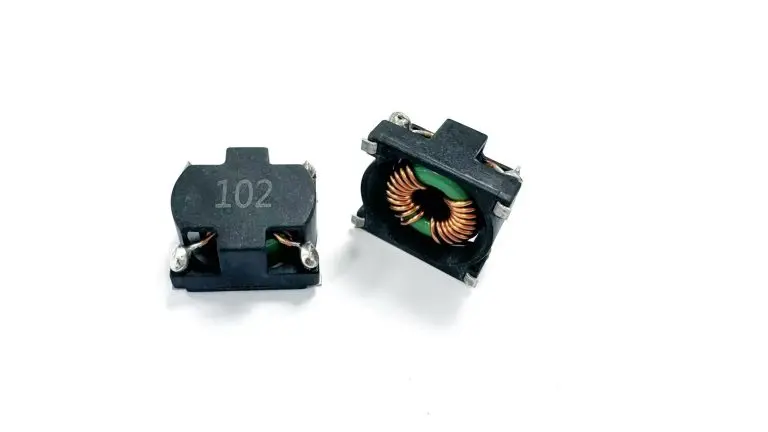
A toroidal inductor utilizes a continuous circular core without structural gaps. This ring geometry traps electromagnetic forces entirely within the magnetic material. In contrast, standard core geometries create significant flux loss through physical air gaps.
1. Voltage application to the winding initiates an electric current through the coil wire.
2. The generated magnetic field is entirely confined within the closed magnetic core path.
3. The donut-shaped loop forces the magnetic flux to loop continuously back onto itself, preventing flux loss and maximizing energy transfer efficiency.
A standard inductor permits stray magnetic fields to radiate into surrounding air space. The following table highlights the physical differences in flux containment between open solenoid structures and circular core geometries:
Inductor Type | Magnetic Field Containment & Geometry Effect |
Solenoid | Experiences end effects where field lines bend outward, causing field strength to drop by ~50% at terminations and leading to flux leakage. |
Toroidal Core | Uses a closed ring geometry to contain almost all magnetic flux inside the core, significantly reducing external field radiation. |
The primary coil of an audio inductor converts electrical energy into magnetic energy. The toroidal continuous ring provides uniform flux distribution across the entire magnetic loop. A standard inductor leaks magnetic lines into adjacent circuit traces, degrading low-level sound signals.
Eliminating Mains Hum in Audio Circuits
Mains electricity continuously radiates 60Hz ambient background noise. High-gain audio circuits easily pick up this power line interference. Linear inductor topology often creates unwanted hum inside sensitive preamplifier stages.
In high-sensitivity audio systems, toroidal inductors protect delicate small-signal paths from external noise. Key geometrical factors deliver this noise suppression performance:
· Closed-Loop Core Geometry: The continuous circular or donut shape traps magnetic flux inside the core material, preventing magnetic fields from escaping externally.
· 360-Degree Winding Strategy: Wrapping conductor wire around the complete circumference maximizes magnetic coupling and reduces leakage inductance, making these inductors optimal for sensitive audio systems sensitive to electromagnetic noise.
This toroidal layout confines electromagnetic radiation even under high power loads. Each toroidal inductor maintains structural magnetic integrity during high-current audio peaks. Audio designers prefer the toroidal shape for critical listening gear because it drops the ambient noise floor to near-silent levels.
Key Design Insight: Concentrated flux containment directly prevents 60Hz power supply ripple from polluting low-level audio signals in high-fidelity circuitry.
Preventing Crosstalk in Speaker Crossovers
Passive speaker crossover networks route specific frequency bands to dedicated audio drivers. Multiple filter inductor components sit close together on the crossover circuit board. Open magnetic cores cause mutual inductive coupling between adjacent audio channels.
Unwanted mutual coupling allows low-frequency signals to bleed into delicate high-frequency drivers. This stray energy causes phase distortion and ruins soundstage imaging. The toroidal architecture routes magnetic flux efficiently within its own core boundaries without spilling field energy into nearby components.
Modern audio crossovers rely heavily on toroidal inductors to preserve precise signal separation. Proper inductor orientation reduces coupling, but closed donut-shaped cores eliminate stray interaction completely. System builders choose toroidal cores for high-end amplifiers and speaker filters to guarantee pristine acoustic imaging.
Harmonic Distortion and Audio Clarity
Audio clarity depends heavily on minimizing Total Harmonic Distortion (THD) throughout the signal chain. Conventional magnetic components introduce non-linear saturation, which adds unwanted artifacts to pure sound signals. A low-loss toroidal inductor minimizes magnetic losses and delivers exceptionally clean sound output for premium sound systems.
Audio Clarity and Toroidal Inductor Efficiency
Core saturation directly degrades audio purity when high electrical current flows through crossover networks. Standard inductor designs hit magnetic saturation quickly during high-output peaks. This saturation alters the original sine wave, creating severe harmonic distortion across critical hearing bands.
A toroidal core distributes magnetic flux evenly around its entire circular body. This unique structural balance prevents localized magnetic hot spots and stops core saturation early. The following comparison illustrates how core efficiency directly impacts audio performance metrics:
Performance Metric | Standard Core Architecture | Toroidal Core Architecture |
Magnetic Path Length | Uneven with open gap losses | Continuous and highly uniform |
Saturation Threshold | Low under high current peaks | High under extreme current loads |
Energy Loss (Heat) | Elevated eddy current loss | Minimal core and winding losses |
Signal Distortion | Noticeable THD at high volume | Ultra-low THD across all levels |
Audio circuits benefit immensely from energy-efficient designs that minimize wasted thermal power. Lower operating temperatures maintain consistent electrical resistance during extended playback sessions. Engineers preserve peak signal purity by integrating high-performance toroidal inductors into critical signal paths.
Enhancing Low-End Bass Response
Low-frequency audio signals require massive current swings to drive large woofer cones. Weak inductors saturate quickly under low-frequency demands, causing muddy or bloated bass notes. The heavy magnetic mass of a toroidal core handles intense current transients with ease.
Acoustic Note: Crisp, tight bass requires zero compression during sudden current spikes. Uniform flux density allows full dynamic expression without low-end driver sluggishness.
A standard inductor often limits low-frequency power output due to high internal resistance and early saturation points. Conversely, the continuous circular geometry of toroidal inductors allows thick wire gauges and tight copper windings. This physical layout dramatically reduces direct current resistance (DCR):
· Higher Current Capacity: Thick copper wire turns carry large bass transients without signal clipping.
· Tighter Bass Punch: Lower internal DC resistance delivers maximum amplifier damping factor straight to the speaker driver.
· Dynamic Range Preservation: The high magnetic threshold prevents peak compression during sudden bass hits.
Bass notes sound tight, precise, and well-controlled as a direct result of superior core geometry. Listeners hear distinct basslines instead of blurry acoustic boominess.
Maintaining High-Frequency Transparency
High-frequency audio reproduction requires extreme component speed and minimal stray capacitance. Winding capacitance creates unwanted resonant spikes that alter delicate treble tones. Traditional bobbin coils layer wire unevenly, creating significant inter-winding capacitance.
The uniform 360-degree winding technique on a toroidal shape separates wire coils evenly around the core perimeter. This precise physical distribution lowers parasitic capacitance significantly. High-frequency audio signals pass through the circuit without attenuation or harsh ringing effects.
[Audio Input Signal] ---> [Uniform Toroidal Winding] ---> [Zero Ringing Highs]
A clean high-frequency path preserves subtle spatial cues, vocal air, and instrument harmonics. Precision toroidal manufacturing guarantees smooth treble extension beyond human hearing limits. Designers consistently select toroidal inductors over flat bobbin coils to achieve true audiophile-grade transparency.
Physical Footprint and Mechanical Vibration
High Inductance Density in Compact Sizes
Standard inductor designs often require large physical dimensions to prevent early saturation. These bulky components occupy valuable circuit board space inside high-power audio amplifiers. Conversely, a toroidal inductor concentrates magnetic energy efficiently within a compact circular core. High magnetic permeability allows a smaller toroidal core to achieve higher inductance than a massive linear component. Audio engineers optimize spatial efficiency by specifying energy-efficient designs that save real estate inside dense equipment enclosures.
Mitigating Mechanical Hum and Vibration
Alternating currents create physical stress inside magnetic components through magnetostriction. A standard inductor unit frequently radiates annoying chassis buzz due to loose laminations and internal air gaps. Premium toroidal inductors reduce acoustic hardware noise through superior structural engineering:
· Continuous Core Loop (No Air Gap): Seamless circular rings eliminate structural gaps, preventing magnetic flux leakage and stopping mechanical resonance excitation.
· Magnetic Flux Containment: The closed donut geometry traps magnetic fields entirely within core materials, preventing extraneous force interactions that cause audible hum.
· Structural Symmetry and Tension: Uniform physical symmetry paired with tightly wound copper coils under continuous tension silences mechanical vibration during high-power operations.
Chassis Mounting and Physical Stability
Heavy magnetic components create structural strain on printed circuit board solder joints. Toroidal inductors offer balanced mass distribution across amplifier chassis floors. A centered steel washer and bolt secure the toroidal assembly flat against the mounting surface. Rubber dampening pads isolate structural resonance completely. Modern toroidal inductors deliver exceptional physical stability for demanding touring gear and high-fidelity sound systems.
Toroidal Inductor vs Standard Inductor Costs
Manufacturing Differences and Winding Complexity
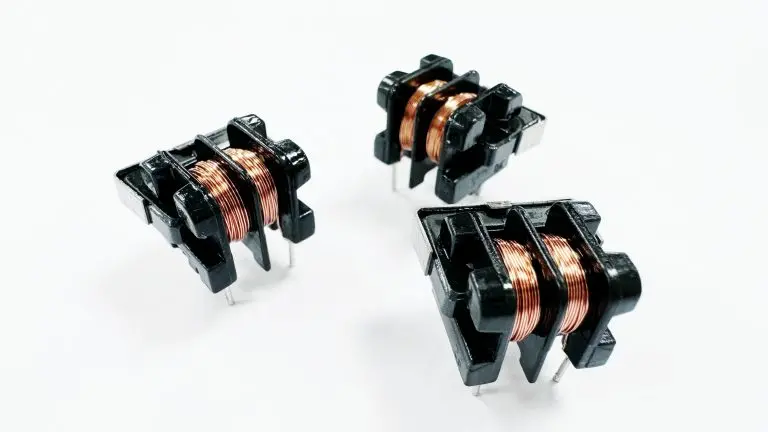
Manufacturing costs separate circular cores from conventional magnetic components. A traditional standard inductor uses simple bobbin spools and basic E-I lamination stacks. High-speed factory machines wind copper wire onto these rectangular bobbins within seconds. Conversely, automated equipment quickly wraps wire onto open bobbins, whereas toroidal inductors require complex circular winding processes.
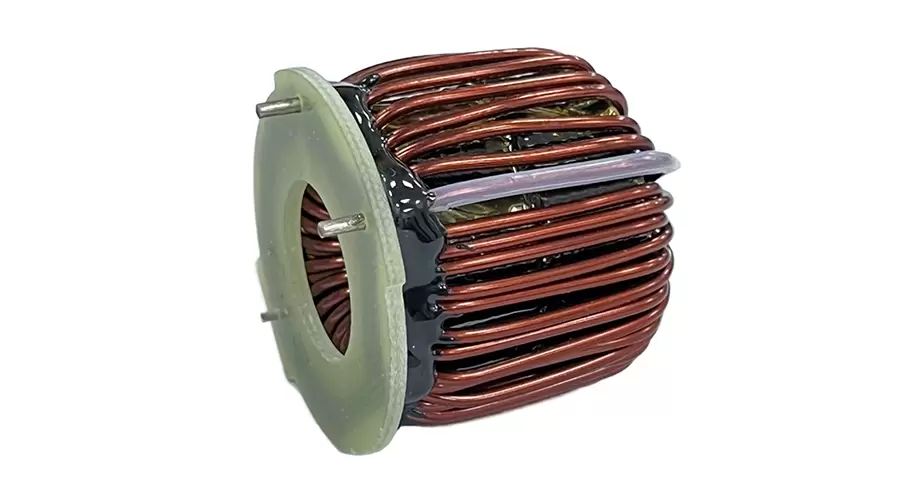
The unique toroidal core shape prevents fast automated wire feeding. A specialized winding machine must pass copper wire through the central hole of a ring core repeatedly to build a custom toroidal inductor. Shuttle mechanisms rotate around the continuous ring under precise tension control. Manual labor frequently increases production expenses for toroidal manufacturing. Consequently, complex winding mechanics elevate wholesale prices significantly.
Standard Inductors in Budget Audio Gear
Budget audio manufacturers prioritize low retail prices and fast assembly. Mass-production audio equipment heavily relies on the standard inductor because automated machinery yields thousands of units per hour. These open bobbin cores require inexpensive materials and minimal labor hours.
Inductor Category | Production Complexity | Manufacturing Cost | Audio Performance Level |
Standard Bobbin Core | Low (Automated High-Speed) | Low | Basic / Budget Grade |
Continuous Ring Core | High (Specialized Shuttle) | Premium | Audiophile / High-Fidelity |
A basic standard inductor reduces bill-of-materials expenses for cost-sensitive commercial products. Cheap home theater receivers and entry-level powered speakers utilize open magnetic cores to save money. However, these cost-effective parts introduce magnetic stray fields and higher noise floors into audio circuits.
Justifying the Premium for Audiophile Performance
High-end audio systems demand toroidal inductors for pristine sound reproduction. The overall price of a passive filter inductor depends heavily on manufacturing speed, yet critical audio applications require uncompromised quality. Audio manufacturers choose toroidal inductors to eliminate noise and maximize fidelity.
Value Insight: Replacing a standard inductor with superior core geometry transforms audio performance. These energy-efficient designs justify their initial price tag by protecting delicate audio signals.
Engineers accept high production expenses for toroidal components in premium gear. A high-performance inductor delivers pure signal translation without electromagnetic interference. Superior toroidal architecture offers massive soundstage improvements. Audiophiles gladly pay higher prices for toroidal power and filtering solutions.
Summary: Closed toroidal core geometry delivers pristine sound clarity by keeping magnetic fields completely contained.
Toroidal inductors provide superior flux containment, lower EMI noise, and minimal harmonic distortion compared to any standard inductor design. High physical efficiency further boosts system output. Higher manufacturing costs exist, yet toroidal inductors deliver unmatched acoustic fidelity for premium sound systems. Hardware engineers and audiophiles must select toroidal core architecture across critical signal paths to achieve optimal performance.
FAQ
Why do toroidal inductors produce less noise than a standard inductor?
Noise Suppression: Closed core geometry confines magnetic energy internally.
Toroidal inductors trap magnetic fields inside a continuous circular core. Conversely, a standard inductor radiates stray electromagnetic flux into surrounding audio circuits. This closed toroidal structure suppresses power line hum and delivers a silent noise floor for sensitive equipment.
Can builders replace a standard inductor in speaker crossovers?
Yes, audio engineers frequently upgrade crossover networks with a toroidal design. Lower direct current resistance improves low-end bass impact. Furthermore, superior magnetic flux containment prevents harmful inductive crosstalk between adjacent driver channels.
Why do toroidal designs handle high power better?
The continuous circular body distributes magnetic flux evenly across its structure. This balance prevents localized core saturation during sudden dynamic audio spikes. Consequently, the inductor maintains ultra-low distortion and high signal transparency under heavy output loads.
Do toroidal inductors justify their higher manufacturing cost?
Performance Value: Pristine signal clarity justifies complex shuttle winding operations.
Yes, high-fidelity sound systems benefit significantly from this premium architecture. Specialized manufacturing shuttles wrap copper wire through the central core ring, raising labor expenses. However, toroidal performance gains include superior efficiency, minimal harmonic distortion, and total audio transparency.