 English
 Vietnamese
 Italian
 Spanish
 Thai
Thai Japanese
 Portuguese
 Korean
 Russian
 French
 German
 Polish
 Indonesian
We Know Components Our Guide To Designing I Shaped Cores
Core Material Selection Determines I Shaped Inductor Performance
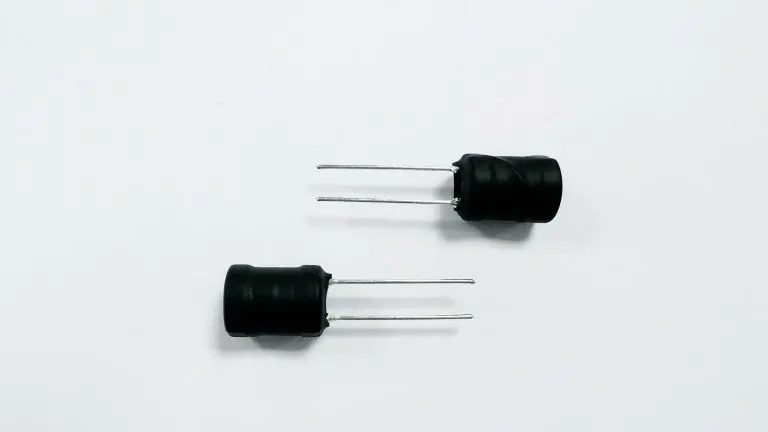
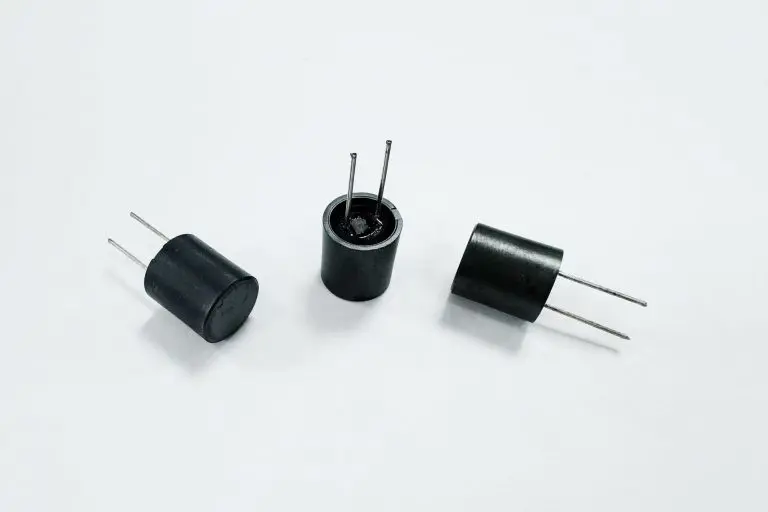
I shaped inductors are widely used in power circuits, filtering systems, industrial control equipment, communication devices, and various electronic applications because of their simple structure, stable magnetic characteristics, and flexible installation methods. For engineers working on circuit design, selecting the right magnetic core is one of the most important steps in achieving reliable inductance performance.
Compared with traditional magnetic components that focus only on basic electrical parameters, modern applications require more attention to efficiency, thermal stability, electromagnetic compatibility, and long-term reliability. A suitable I shaped inductor design needs to consider core material, winding method, operating frequency, current capacity, and installation environment.
In practical projects, engineers often need to balance multiple requirements at the same time. A component may need to provide stable inductance under high current conditions while maintaining low power loss and reducing electromagnetic interference. This is why professional suppliers with experience in magnetic design and manufacturing are increasingly involved in the early stages of product development.
Gujing Inductor solutions are developed based on different application requirements, including power conversion, industrial electronics, automotive systems, and customized circuit designs. Through material selection and manufacturing process optimization, inductors can achieve better consistency and stability in real operating environments.
Understanding Magnetic Core Materials Used in I Shaped Inductors
The core material directly affects the electrical characteristics of an inductor. Different materials provide different magnetic permeability, frequency response, saturation performance, and temperature stability. Engineers need to select the appropriate core according to the working conditions of the circuit.
Common magnetic materials used in I shaped inductors include ferrite materials, iron powder materials, and iron silicon aluminum materials.
Ferrite Core Materials for High Frequency Applications
Ferrite is one of the most commonly used materials in electronic inductors because it provides low core loss and good performance at high frequencies.
Different ferrite materials have different characteristics:
Material Type | Main Characteristics | Typical Applications |
MnZn Ferrite | High permeability and strong magnetic flux capacity | Power filtering and low frequency applications |
NiZn Ferrite | Suitable for high frequency operation and low loss performance | Communication circuits and noise suppression |
Ferrite Core | Stable magnetic properties and good temperature performance | General electronic applications |
For applications requiring electromagnetic interference control, ferrite materials are often combined with optimized winding structures to create effective filtering components.
For example, Gujing ferrite inductor products are designed for applications where stable inductance and reliable magnetic performance are required. Proper material selection helps improve circuit efficiency while reducing unwanted noise.
Iron Powder Materials for Energy Storage Applications
Iron powder cores are often selected for power circuits because they provide distributed air gaps and better resistance against magnetic saturation.
These characteristics make them suitable for:
1. DC DC converter circuits
2. Switching power supplies
3. Energy storage systems
4. Industrial power control equipment
Compared with traditional ferrite cores, iron powder materials can handle higher DC bias conditions in certain applications. However, engineers still need to consider core loss and temperature rise during continuous operation.
Iron Silicon Aluminum Materials for High Current Designs
Iron silicon aluminum materials combine good saturation characteristics with relatively low magnetic loss. They are commonly used in applications requiring high current handling capability.
Modern power systems increasingly demand compact components with higher current density. As a result, high current inductor designs using optimized magnetic materials are becoming more important in industrial and automotive electronics.
How Core Structure Influences I Shaped Inductor Design
Besides material selection, the physical structure of the magnetic core also affects inductor performance. The I shaped structure provides a straightforward magnetic path, making it suitable for many through-hole and industrial applications.
The main structural elements include:
1. Magnetic core length
2. Core cross-sectional area
3. Winding space
4. Air gap design
5. Terminal structure
Each element influences inductance value, saturation current, heat generation, and mechanical reliability.
A properly designed core structure helps control magnetic flux distribution. When the magnetic flux exceeds the core capability, saturation may occur, causing inductance to decrease and current ripple to increase.
For this reason, engineers usually evaluate:
· Required inductance value
· Maximum operating current
· Switching frequency
· Temperature range
· Available PCB space
before selecting a suitable inductor design.
The Role of I Shaped Inductors in Modern Power Electronics
Power electronic systems continue to become smaller while requiring higher efficiency. This trend has increased demand for compact magnetic components that can maintain stable performance under challenging conditions.
I shaped inductors are commonly applied in:
Power Supply Circuits
In switching power supplies, inductors store energy and smooth current changes. The core must maintain stable magnetic characteristics during repeated switching cycles.
A properly selected Gujing Power Inductor can support stable energy conversion while helping reduce power loss in compact power systems.
Industrial Control Equipment
Industrial equipment often operates continuously for long periods. Components used in these systems must provide:
· High reliability
· Stable inductance
· Strong thermal resistance
· Long service life
Industrial applications such as automation controllers, motor drives, and power management systems frequently require customized magnetic solutions.
Automotive Electronic Systems
The growth of electric vehicles and intelligent automotive systems has increased requirements for automotive-grade magnetic components.
Automotive applications require components that can withstand:
· Temperature fluctuations
· Mechanical vibration
· Continuous current operation
· Electromagnetic interference
Therefore, Gujing automotive inductor solutions focus on reliability and electrical stability for vehicle electronics.
Key Parameters Engineers Evaluate When Selecting I Shaped Inductors
Choosing an inductor requires more than checking the inductance value. Engineers normally evaluate multiple parameters together to ensure the component matches the circuit design.
Inductance Value
Inductance determines the ability of the component to resist current changes. Incorrect inductance selection may affect circuit efficiency and output stability.
The required inductance depends on:
· Circuit topology
· Operating frequency
· Load conditions
· Filtering requirements
Rated Current and Saturation Current
Current capability is one of the most important factors for power applications.
When current increases beyond the designed magnetic capacity, the core may enter saturation. This reduces inductance and increases electrical stress.
For high-power applications, engineers often choose Gujing high current inductor products designed for stronger current handling capability.
DC Resistance
DC resistance affects copper loss and temperature rise. Lower resistance generally helps improve efficiency, especially in continuous power applications.
Engineers usually consider:
· Wire diameter
· Winding structure
· Number of turns
· Operating temperature
A well-designed winding structure can reduce unnecessary energy loss while maintaining required inductance performance.
Operating Frequency
Different magnetic materials perform differently at different frequencies.
Low frequency applications may prioritize magnetic flux capacity, while high frequency circuits require lower core loss.
For high frequency circuits, high frequency inductor designs usually require carefully selected ferrite materials and optimized winding methods.
Coil Winding Design Principles for I Shaped Inductors
The winding structure is another critical factor affecting the performance of I shaped inductors. Even when the same magnetic core material is used, different winding methods can lead to significant differences in inductance stability, resistance, temperature rise, and electromagnetic performance.
During the manufacturing process, engineers need to consider the relationship between wire diameter, winding turns, winding density, and operating current. A reasonable winding design can improve energy conversion efficiency and reduce unnecessary losses.
For different applications, winding methods are usually adjusted according to electrical requirements:
1. Single layer winding for reducing parasitic capacitance and improving high frequency performance.
2. Multi layer winding for achieving higher inductance values within limited space.
3. Flat wire winding for improving current carrying capability.
4. Customized winding structures for special circuit requirements.
In high current applications, excessive winding density may increase heat accumulation. Therefore, engineers need to balance inductance requirements with thermal performance.
A professional Gujing coil design considers magnetic characteristics, winding technology, and application conditions together instead of focusing on only one parameter.
Through Hole Structure and PCB Installation Considerations
I shaped inductors are commonly used in through-hole electronic assemblies because of their mechanical strength and reliable connection method.
Compared with surface mounted components, through-hole inductors usually provide stronger mechanical stability, especially in industrial equipment and power applications where vibration resistance is important.
The selection of a suitable installation structure requires attention to:
1. PCB space availability
2. Component height limitations
3. Current path design
4. Heat dissipation conditions
5. Automated assembly requirements
For applications requiring strong mechanical reliability, Gujing Through-hole Inductor products provide solutions for power circuits, industrial controllers, and electronic devices with demanding operating environments.
Through-hole design also allows engineers to use larger magnetic cores and thicker wires, which can support higher current operation compared with some miniature components.
Improving EMI Performance Through Proper Inductor Selection
Electromagnetic interference has become a major concern in modern electronic systems. As operating frequencies increase and circuits become more compact, controlling unwanted noise becomes increasingly important.
Inductors play an important role in filtering and noise suppression by limiting high frequency interference signals.
Common applications include:
· Power supply filtering
· Communication equipment
· Industrial automation systems
· Automotive electronics
· Consumer electronic devices
For noise reduction applications, engineers often select components such as Gujing Common Mode Inductor according to the required filtering characteristics.
Common mode inductors work by creating high impedance against common mode noise while allowing normal differential current to pass through the circuit.
This makes them widely used in:
1. AC power line filtering
2. DC power filtering
3. Signal line protection
4. Communication interface protection
Common Design Differences Between I Shaped Inductors and Other Inductor Types
Different inductor structures are developed for different application requirements. Understanding the differences helps engineers select the most suitable solution.
Inductor Type | Main Features | Common Applications |
I Shaped Inductor | Simple structure and flexible winding design | Industrial power circuits and filtering |
Toroidal Inductor | Closed magnetic path and low leakage flux | Power filtering and energy storage |
SMD Inductor | Small size and suitable for automated assembly | Compact electronic devices |
Molded Inductor | Strong protection and high mechanical reliability | Automotive and industrial applications |
For compact electronic products, Gujing smd inductor solutions are often selected because they support high-density PCB layouts.
For applications requiring stronger protection against environmental influence, Gujing molded inductor designs can provide improved mechanical strength and stable electrical performance.
Each structure has its own advantages. The correct choice depends on electrical requirements, installation conditions, and long-term reliability expectations.
Thermal Management and Reliability Improvement
Temperature control is one of the key factors influencing inductor service life. During operation, heat mainly comes from copper loss in the winding and magnetic loss inside the core.
When temperature increases, wire resistance also increases, causing additional power loss. This creates a cycle where higher temperature leads to higher resistance and further heat generation.
Engineers improve thermal performance through several methods:
Optimizing Wire Size
A larger wire diameter can reduce DC resistance and decrease copper loss. However, available space inside the magnetic core limits the possible wire size.
Therefore, designers need to find the best balance between:
· Current capability
· Winding space
· Inductance value
· Heat dissipation
Selecting Suitable Core Materials
Different materials generate different levels of magnetic loss.
For example:
· Ferrite materials are suitable for high frequency applications.
· Iron powder materials provide better saturation resistance.
· Iron silicon aluminum materials offer balanced performance for power applications.
Improving Heat Dissipation Design
In practical products, thermal performance is affected by:
· PCB layout
· Component spacing
· Airflow conditions
· Working environment
A well-designed inductor installation method helps maintain stable operating temperature.
Application Expansion of I Shaped Inductors in New Energy Systems
The rapid development of renewable energy and electric transportation has created new requirements for magnetic components.
Modern power conversion systems require inductors with:
· Higher efficiency
· Better current capability
· Lower power loss
· Improved reliability
Applications include:
Solar Power Systems
Solar inverters require inductors to manage energy conversion between photovoltaic panels and electrical systems.
In these applications, solar inverter inductor products need to maintain stable operation under continuous power conversion conditions.
Energy Storage Systems
Battery storage systems rely on inductors for power regulation and current filtering.
Typical applications include:
· Battery management systems
· Energy storage converters
· Power conversion systems
High performance magnetic components help improve system efficiency and reliability.
Electric Vehicle Charging Systems
Electric vehicle charging equipment requires stable power conversion and effective electromagnetic control.
Inductors are used in:
· Charging modules
· DC DC converters
· Onboard charging systems
For automotive environments, components need stronger environmental resistance and reliability.
This has increased demand for EV power inductor and automotive-grade magnetic solutions.
Customized Inductor Design Supports Different Industry Requirements
Modern electronic product development is becoming increasingly application-specific. Standard components may not always meet special circuit requirements.
Many engineers now require customized magnetic solutions based on:
· PCB layout limitations
· Current requirements
· Frequency range
· Environmental conditions
· Mechanical dimensions
A professional Gujing custom inductor solution involves multiple stages:
1. Understanding customer circuit requirements.
2. Selecting suitable magnetic materials.
3. Designing winding structures.
4. Testing electrical parameters.
5. Optimizing production processes.
This approach helps customers achieve better compatibility between components and complete systems.
As electronic products become more specialized, manufacturers need not only production capability but also engineering support.
Why Professional Inductor Manufacturing Experience Matters
The performance of an inductor depends on many details throughout the manufacturing process.
Important factors include:
· Raw material consistency
· Magnetic core quality
· Winding accuracy
· Assembly control
· Testing standards
A reliable Gujing inductor manufacturer focuses on improving every stage from material selection to final inspection.
Manufacturing experience helps engineers understand how theoretical designs perform in actual production environments.
For example, a component that performs well in laboratory testing may face challenges during mass production. Manufacturing optimization ensures that electrical performance remains consistent across large quantities.
Future Development Trends of I Shaped Inductors
As electronic systems continue moving toward higher efficiency and smaller size, magnetic components are also evolving.
Future development trends include:
Higher Current Density
Power devices continue to require stronger current handling capability within smaller spaces.
This encourages the development of:
· High saturation inductors
· Low resistance inductors
· Compact magnetic components
Better Electromagnetic Compatibility
With more electronic devices operating together, electromagnetic compatibility requirements are becoming stricter.
Future inductors will need improved:
· Noise suppression capability
· Magnetic shielding performance
· High frequency stability
More Customized Solutions
Different industries have different requirements. Automotive, renewable energy, industrial automation, and communication equipment all require specialized magnetic designs.
This trend will continue driving demand for:
· Custom magnetic components
· Application-specific inductors
· Integrated magnetic solutions
Conclusion
I shaped inductors remain an important magnetic component choice for many electronic applications because of their flexible structure, stable performance, and wide application range.
From power conversion and industrial equipment to automotive electronics and renewable energy systems, proper core selection and winding design directly influence product reliability.
Engineers selecting an inductor should consider multiple factors, including magnetic material, inductance value, current capacity, thermal performance, and installation requirements.
With increasing demand for efficient and reliable electronic systems, professional manufacturers with strong design capability and production experience will continue playing an important role in developing advanced magnetic solutions.
Through continuous improvement in materials, manufacturing processes, and application engineering, Gujing magnetic component solutions support the development of more reliable and efficient electronic products across global industries.