 English
 Vietnamese
 Italian
 Spanish
 Thai
Thai Japanese
 Portuguese
 Korean
 Russian
 French
 German
 Polish
 Indonesian
Custom Carrier Tape Peel Force Solution Solves SMT Dropping Issue for Power Inductors
Article Body
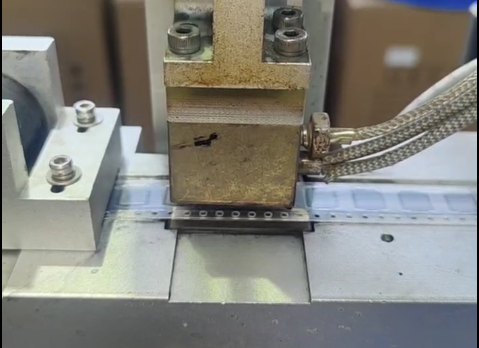
Many manufacturers face persistent production obstacles during automated SMT assembly of chip inductors. When component reels pass through feeders with suspended conveyor sections, the sealing cover tape often delaminates and cracks. Inductors fall out of carrier pockets, leading to excessive material waste, frequent component rejection by pick-and-place machines, unexpected production line halts, reduced SMT yield and low throughput.
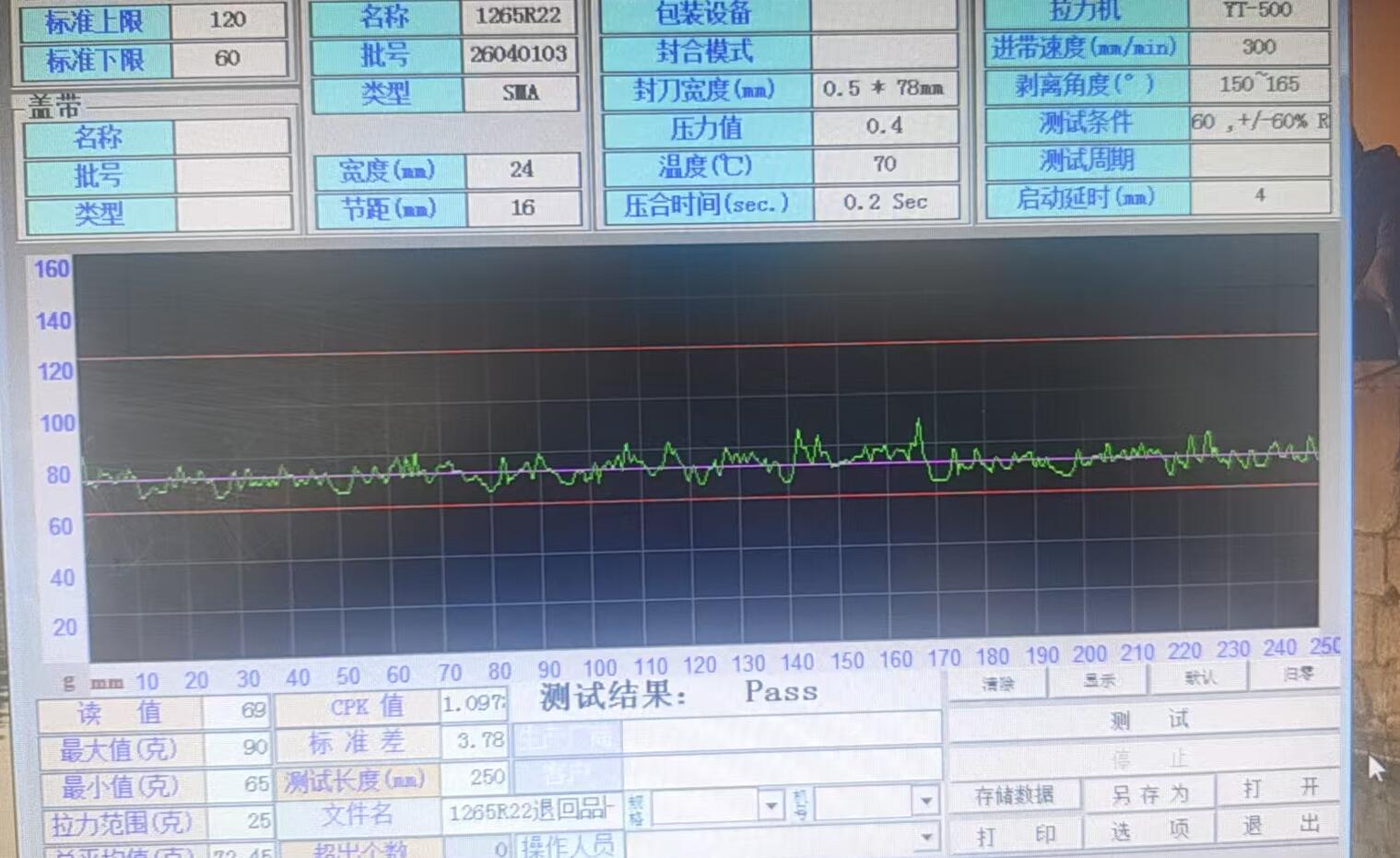
5.89g peel force: Features stronger adhesive bonding with superior tensile resistance against vibration and tension during reel transportation.
FAQ
What does an inductor do in a circuit?
An inductor stores energy in a magnetic field when current flows through it. This component helps control the flow of electricity. Many circuits use an inductor to filter signals, reduce noise, or stabilize voltage.
How can someone tell if an inductor is faulty?
He or she can check for visible damage, such as burns or broken wires. A faulty inductor often causes a circuit to lose power or create noise. Testing with a multimeter helps confirm if the inductor works as expected.
Can a person replace an inductor with any similar part?
No, he or she should always match the original value. Each inductor has a specific role in the circuit. Using the wrong type can cause the circuit to malfunction or fail to filter signals correctly.
Why does removing the inductor help with testing?
Removing the inductor isolates it from the rest of the circuit. This step prevents other components from affecting the measurement. Accurate testing ensures the inductor meets the circuit’s requirements.
What tools help with inductor troubleshooting at home?
A digital multimeter, soldering iron, tweezers, and a magnifying glass help with basic troubleshooting. These tools allow anyone to inspect, test, and replace an inductor in a circuit safely and effectively.