 English
 Vietnamese
 Italian
 Spanish
 Thai
Thai Japanese
 Portuguese
 Korean
 Russian
 French
 German
 Polish
 Indonesian
Gujing integrated inductor safeguards the safety of new energy vehicle batteries!
At present, with the intensification of price competition in the new energy vehicle industry, major car companies are engaged in a price war, and consumers' attention is focused on the price and range configuration of vehicle models, but they are prone to overlook the quality of battery pack components that determine the bottom line of vehicle safety. As the energy storage core of new energy vehicles, battery packs consist of battery cells, modules BMS、 The system consists of six major systems: thermal management, high-voltage distribution, and casing. The mainstream battery routes are divided into ternary lithium and lithium iron phosphate, and the technology continues to upgrade towards CTP/CTC integration, 800V fast charging, and solid-state battery iteration. The BMS battery management system can be regarded as the "brain" of the battery pack, which can monitor more than 300 parameters in milliseconds, quickly cut off the fault circuit in 0.1 seconds, and achieve cell balance, overcharge and overdischarge, and thermal runaway protection. The vehicle grade integrated inductor is the key component to ensure the stable operation of BMS.
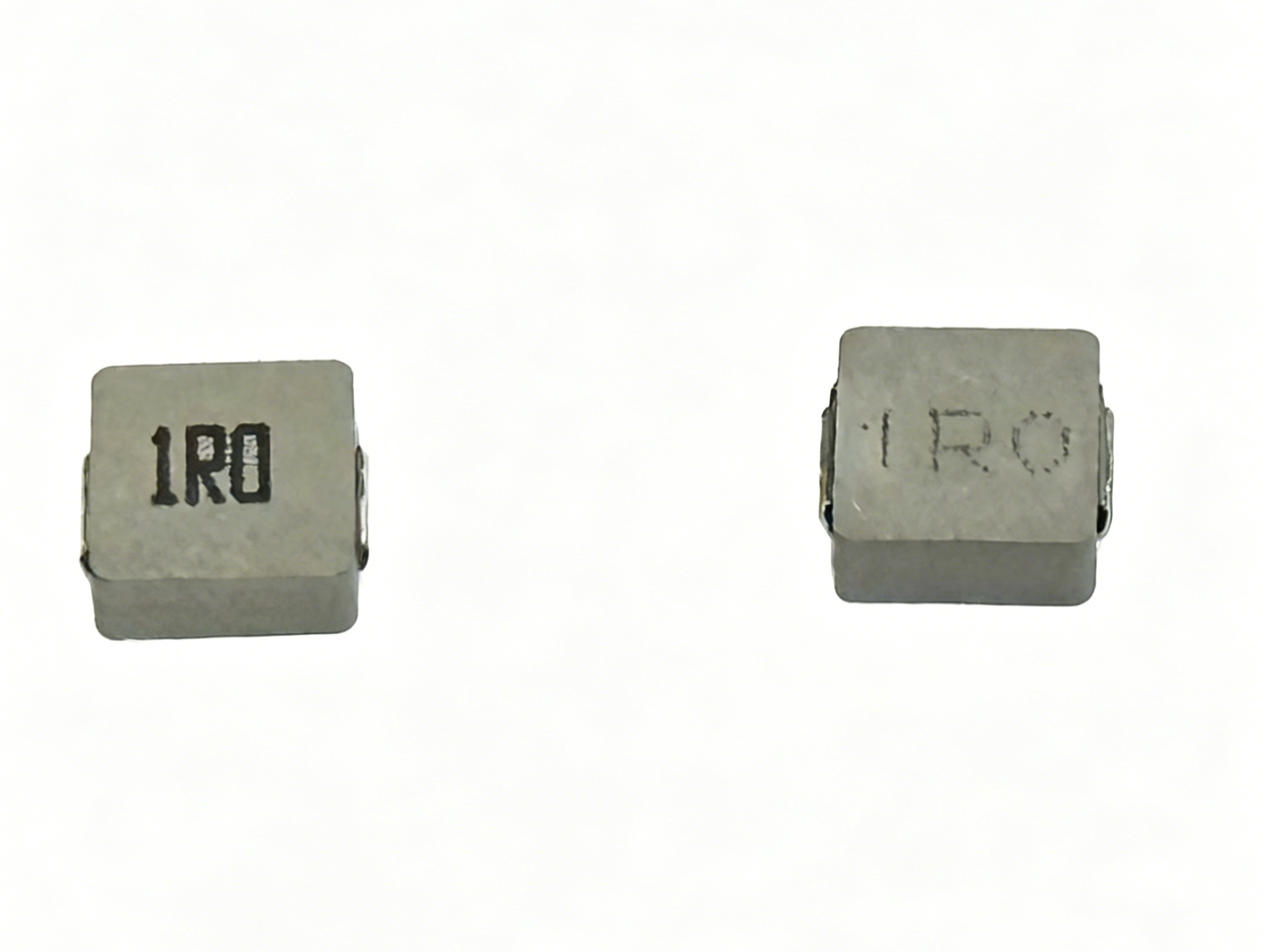
1、 Car harsh working conditions, integrated inductors are preferred
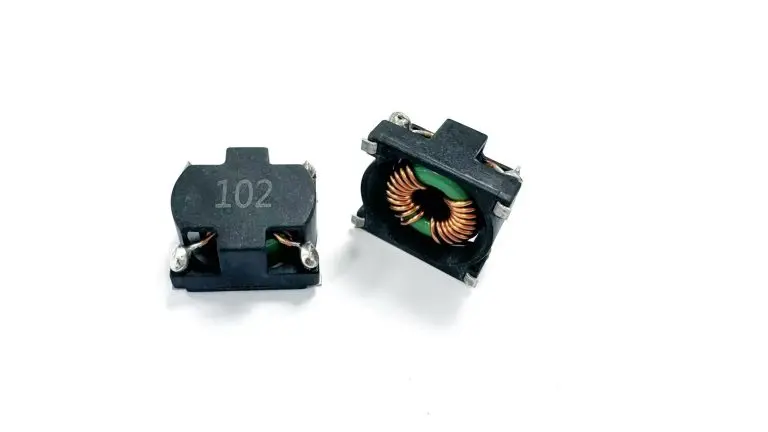
New energy vehicle battery packs are constantly exposed to complex environments with alternating high and low temperatures and frequent vibrations, requiring strict requirements for inductor temperature rise current, weather resistance, and impact resistance. Integrated inductors, with their advantages of high temperature resistance, high current, and low loss, have become standard equipment for power battery packs. Based on the differentiated design of powder formula, the integrated inductors are divided into two categories: industrial grade and automotive grade. The Gujing GSHM0603MT1R0 (automotive grade model GSHM0603MT1R0-V) is a commonly used model for car battery packs, with the same size and sensitivity. There is a significant difference in raw materials, processes, and costs between automotive and industrial grade products.
2、 Where is the value of automotive grade inductors? More than ten rigorous tests establish a solid quality threshold
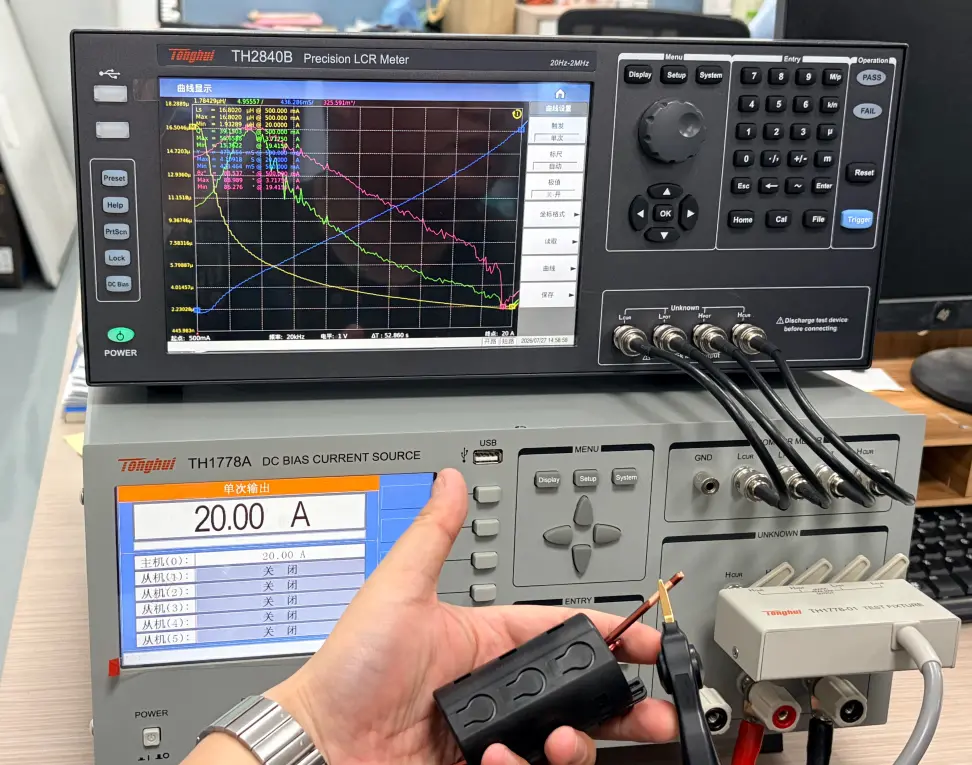
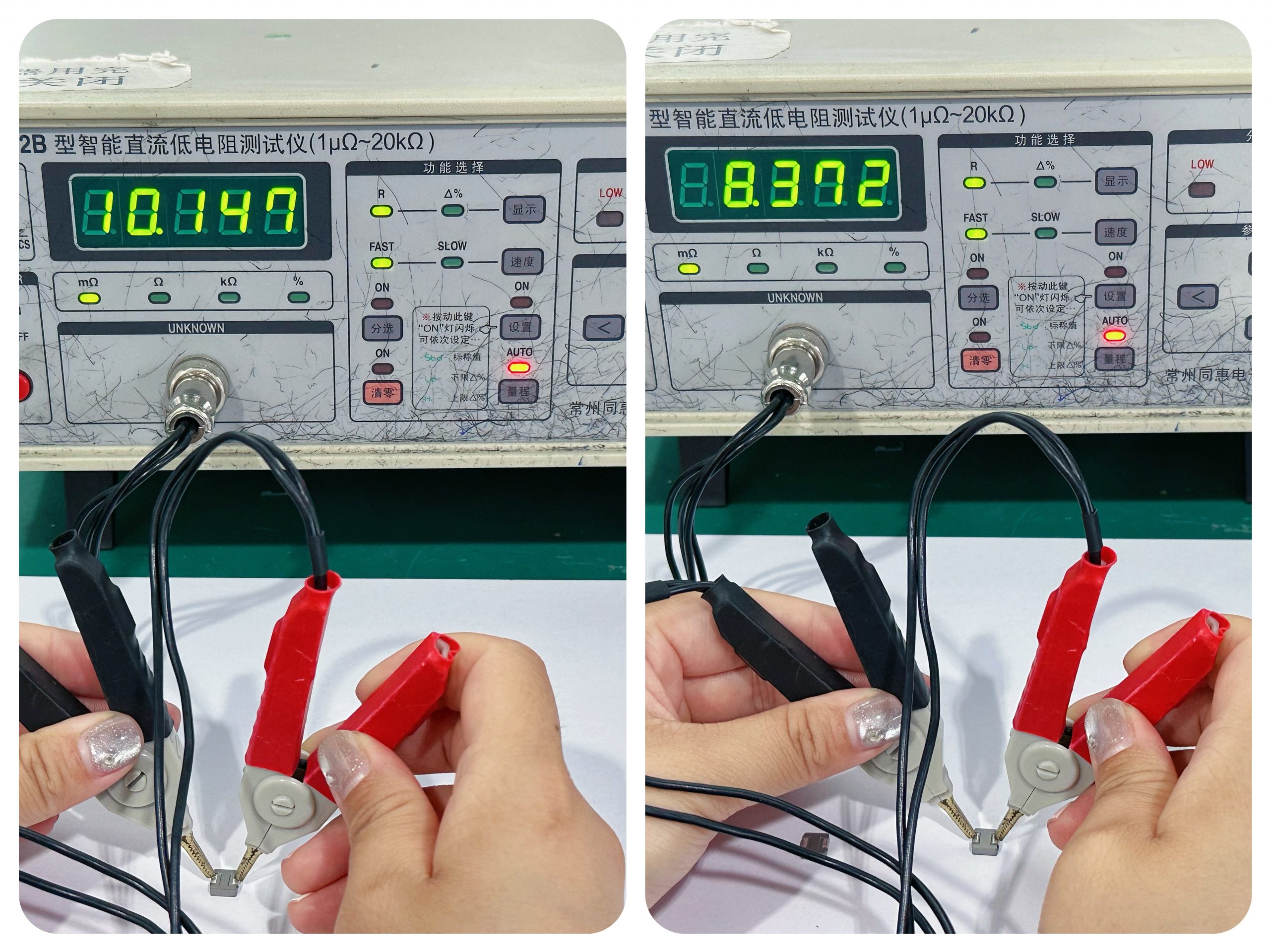
The cost difference is concentrated in the selection of raw materials and the entire production process. Compared to industrial grade, automotive grade integrated inductors must undergo more than ten additional vehicle reliability tests: 245 ℃ reflow soldering test, high and low temperature cycle storage, -55 ℃~155 ℃ thousand temperature cycles, constant humidity and heat, high temperature load life, terminal strength, board bending, high-frequency vibration, pulse impact and other full item verifications. Among them, temperature cycling requires pre-treatment baking, three reflow soldering, and staged performance retesting, with strict standards throughout the entire process to avoid high temperature failure and heat short circuit hazards of on-board components from the source. Gujing Electronics has IATF16949 car specification system certification, and its own automated production line strictly produces GSHM series integrated inductors according to car specification standards. The products can directly replace imported brands such as Wire Art and TDK for localization.
3、 Internal cost reduction cannot be achieved at the expense of vehicle safety
In the context of industry price wars, it is understandable for car companies and component manufacturers to reasonably lean and reduce costs, but safety components such as batteries, BMS matching inductors, etc. cannot blindly choose low-cost industrial grade materials. Poor quality inductors can cause abnormal BMS sampling, uncontrolled circuit heating, and directly trigger safety hazards in power batteries.
Gujing Electronics, which has been deeply involved in inductor manufacturing for 23 years, relies on its own research and development laboratory and senior FAE technical team to supply automotive grade integrated inductors to SAIC and other vehicle supporting enterprises for a long time. The products have passed multiple certifications and support customized development and import inductor replacement services. The competition for new energy vehicles will eventually shift from low price competition to quality competition. Adhering to automotive component standards is the core of the long-term development of car companies and supply chains.