English
 Vietnamese
 Italian
 Spanish
 Thai
 Japanese
 Portuguese
 Korean
 Russian
 French
 German
 Polish
 Indonesian
B82479A1223M000 Compatible Inductor Sourcing with Gujing GBD1811MT220
If your BOM uses TDK B82479A1223M000, Gujing GBD1811MT220 offers a 22 µH sourcing candidate with the same listed 18.42 × 15.24 × 7.11 mm external dimensions. Our comparison also lists lower DCR and higher current figures for the Gujing option, making it worth evaluating where current margin, winding loss and supplier choice are procurement concerns.
We support the decision with specification matching, sample testing and application discussion. Share your current datasheet and operating conditions to request a comparison and quotation that your engineering and purchasing teams can review together.
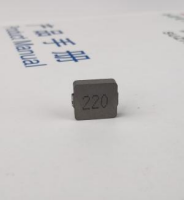
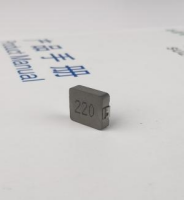
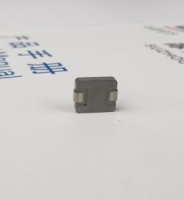
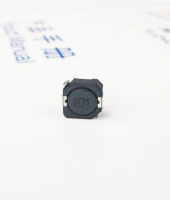
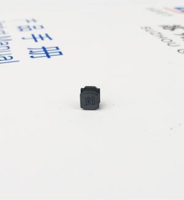
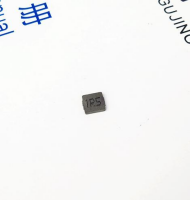
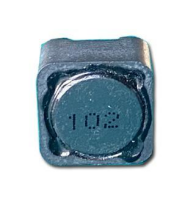
Gujing GBD1811MT220 product views
Specification Comparison
Parameter | Gujing GBD1811MT220 | TDK B82479A1223M000 |
Inductance | 22 µH ±20% | 22 µH ±20% |
Dimensions | 18.42 × 15.24 × 7.11 mm | 18.42 × 15.24 × 7.11 mm |
DCR as listed | 33.76 mΩ | 47 mΩ |
Isat at stated 30% criterion | 5.7 A | 3.5 A |
Irms at stated 40°C rise | 10 A | 7 A |
Comparison figures are from Gujing’s technical proposal. Confirm the current approved specifications and test conditions when agreeing sample acceptance.
Discuss this pairing with our team and request the proposed specification, sample arrangements and a quotation.
Evaluate Electrical Margin Alongside Purchase Cost
The listed DCR is 33.76 mΩ for GBD1811MT220 versus 47 mΩ for the reference. The stated saturation-current figures are 5.7 A and 3.5 A, while the stated thermal-current figures are 10 A and 7 A. These are useful screening points when reviewing an alternative source for a loaded power circuit.
Before translating the table into an efficiency or current-margin conclusion, establish whether the DCR figures are typical or maximum and whether the current tests use comparable conditions. Once the electrical and mechanical acceptance limits are agreed, procurement can compare quotations on the same quantity, packaging and delivery basis. This avoids selecting a lower purchase price for a specification that the application has not accepted.
Rail Transit Customer Progressed from Samples to Cooperation
A Hangzhou rail-transit customer requested GBD1811MT220 samples in April 2020. According to our project record, the customer tested the product, found its performance suitable for the application and formally established cooperation in September 2020 for this TDK reference pairing. The record also describes cost and delivery benefits, without publishing a quantified saving or a transferable lead time.
Our record also identifies a Shandong export-lighting customer using the pairing from October 2019. During the recorded batch testing and production process, the current performance met the customer’s margin requirements. The practical procurement lesson is the sequence: review the specification, test the proposed part, agree approval and then place production orders. A rail-transit or lighting case does not replace the qualification requirements for a new project.
How We Support Your Sourcing Decision
Selection and specification review
For this 22 µH pairing, confirm the land pattern and actual winding temperature at load, then review the current-dependent inductance against peak current. Agree the relevant test methods before using the comparison to set design margin.
Samples and application feedback
Discuss sample quantities and the tests needed for your circuit. Share measured temperature rise, electrical results or application issues with our technical team so we can review the candidate and, where appropriate, discuss material or design adjustments.
Trial production and order confirmation
Before production release, agree the specification, drawing and approved sample with your team. Confirm packaging, inspection requirements, order quantity and delivery schedule in the commercial discussion. A second-source evaluation can then progress through your own approval process.
Frequently Asked Questions
Can I treat the listed 10 A figure as my circuit operating current?
It is the thermal-current figure at the comparison’s stated temperature-rise condition. Your ambient temperature, PCB cooling, ripple and inductance requirement also affect suitability. Review it separately from the saturation-current figure.
Will the listed lower DCR improve efficiency?
Lower winding resistance can be useful, but the table alone does not establish system efficiency. Confirm the resistance limits and measure the part under your operating frequency, waveform and temperature.
Does the rail-transit case mean this part has project approval for my equipment?
The record describes a specific customer evaluation and cooperation. Provide your own reliability, environmental and documentation requirements so we can review what is needed for your qualification process.
How are sample cost, MOQ and delivery confirmed?
They are confirmed for the agreed specification, sample or order quantity and packaging requirements. Include your target delivery date when requesting a quotation; historical case schedules are not current order commitments.
Request a Technical Comparison and Quotation
Send B82479A1223M000’s complete datasheet, the PCB footprint, current waveform or average and peak current, ambient temperature and expected annual or order volume. Add your target delivery date and required qualification documents. We can review the candidate, discuss sample testing and prepare a quotation against the agreed specification.
Request a Technical Comparison & Quotation
TDK and its reference number identify the product being compared. No affiliation or endorsement is implied.